

EPINOV Clinical Trial: Virtual Brain Technology to Support Surgery in Drug-Resistant Epilepsy
Impacts and Lessons Learned

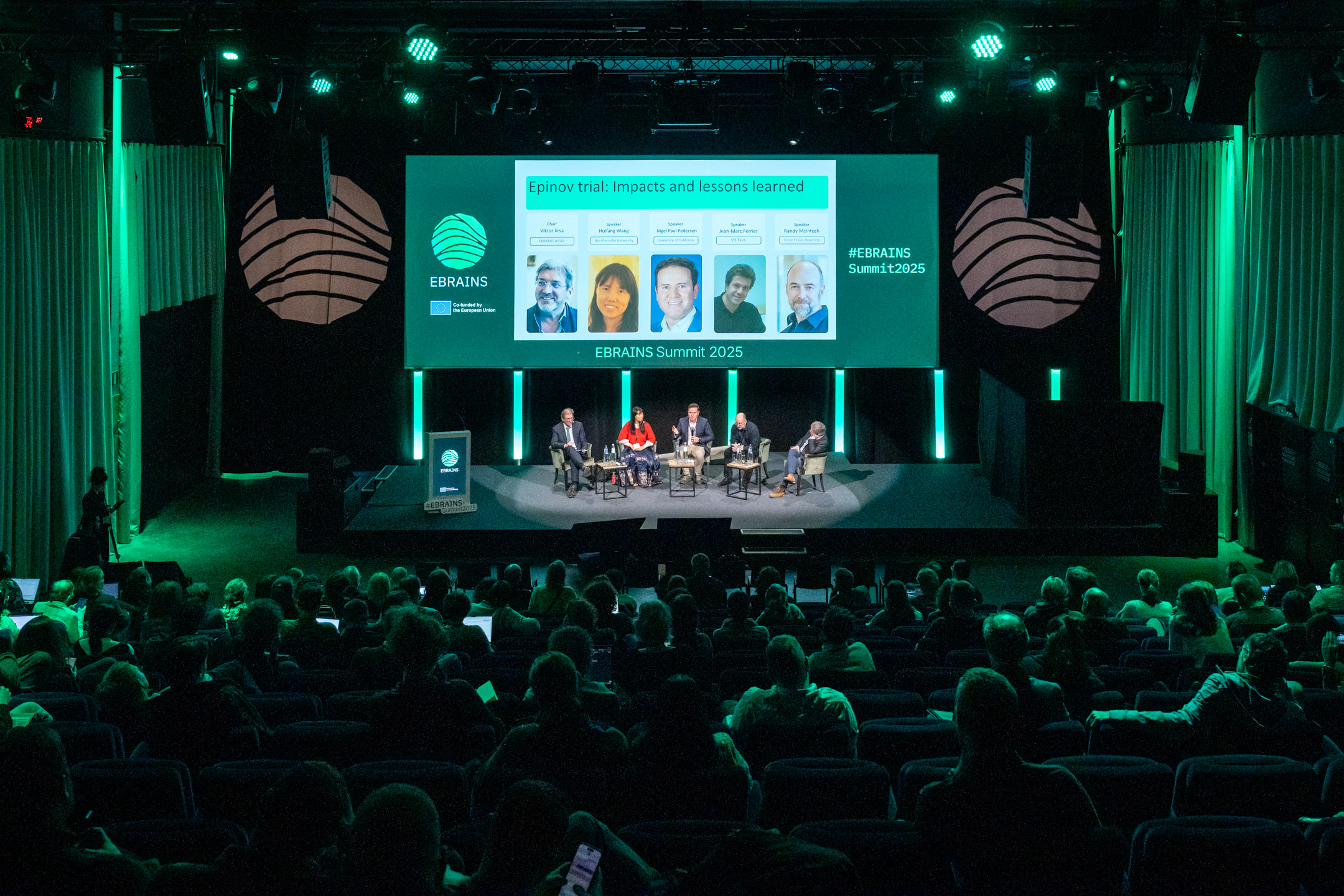
The session “EPINOV trial: Impacts and lessons learned”,moderated by Viktor Jirsa (Chief Science Officer, EBRAINS), took place during the EBRAINS Summit 2025 Open Day and brought together leading experts across neuroscience, industry, and computational modelling: Huifang Wang,Neuroscientist, Institut de Neurosciences des Systemes, Nigel P. Pedersen, Associate Professor and Vice-Chair (Clinical and Basi Research), Department ofNeurology, University California at Davis, Jean-Marc Ferrier, CEO,VB-Tech, Randy McIntosh, Director of the Institute for Neuroscience and Neurotechnology, Simon Fraser University.
For more than 50 years, the success rate of epilepsy surgery has barely improved, with around 40% of drug-resistant patients continuing to experience seizures after intervention. The EPINOV clinical trial aims to transform this reality by testing whether personalised virtual brain twins - generated by using the Virtual Epileptic Patient (VEP) pipeline - can improve the localisation of the epileptogenic zone (EZ)and guide more effective surgical planning.
Viktor Jirsa shared the first insights from the EPINOV trial, which marks a major step in translating research from the Virtual Brain Twin project into clinical application for the treatment of epilepsy in drug-resistant patients.
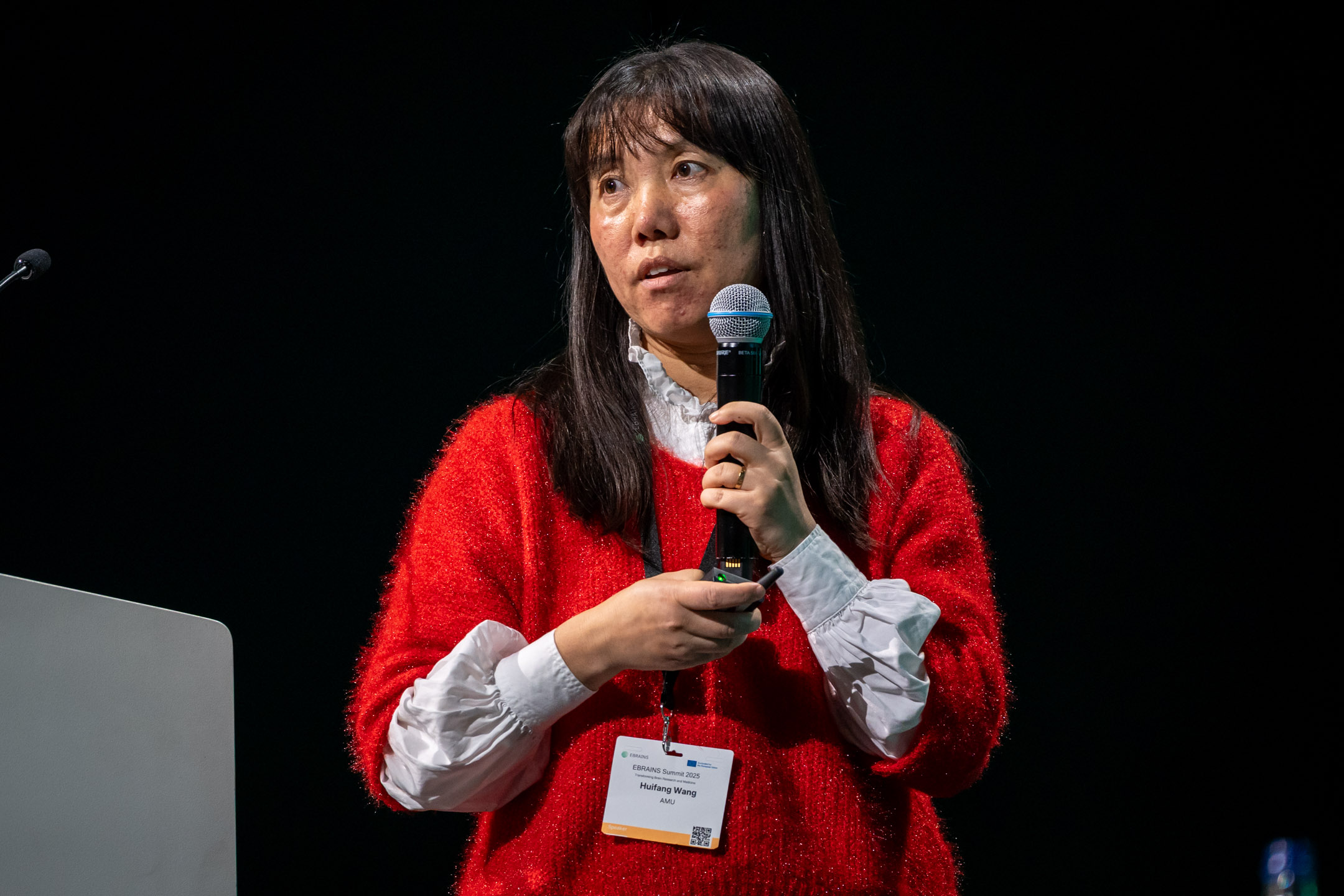
Two detailed case studies presented by Huifang Wang demonstrated how the Virtual Epileptic Patient, based on Virtual Brain Twin(VBT) technology can aid the clinicians to identify the epileptogenetic zone(EZ) and guide surgical decision. In the second case, VEP-based seizure modeling indicated that a smaller, more targeted resection of brain tissue could have achieved seizure freedom, suggesting VEP-guided surgery might be less invasive, more precise, and more effective than standard SEEG-guided approaches.
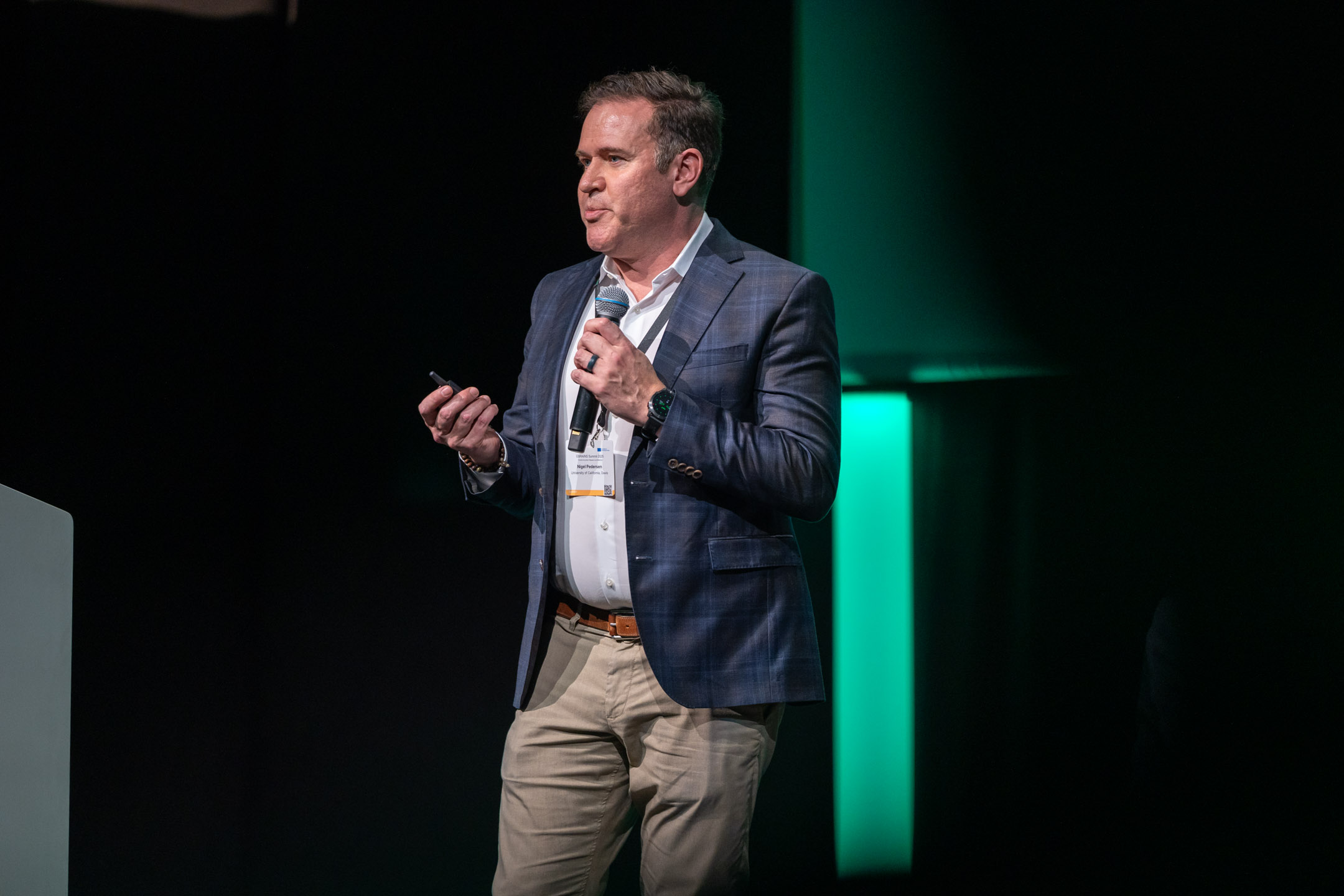
Nigel Pedersen highlighted why epilepsy surgery often fails: incomplete understanding of brain function, variability of seizure patterns between patients, limitations of electrode implantation strategies (in SEEG procedures), and lack of cognitive assessment integration. He emphasised the need for biophysical models, data-driven biomarkers, stimulation data aggregation and tools - areas where the VEP modeling offers strong potential to overcome sparse SEEG implantation.

From an industrial and regulatory perspective, Jean-Marc Ferrier outlined the challenges of transforming an academic prototype into a certified medical device, and the the next steps required to bring the software to the market and into permanent clinical use for the ultimate benefit of the patient. The EPINOV trial provides essential clinical evidence, but additional clinical investigation and validation of the commercial version of the software elaborated by VB tech will be required before hospital deployment.
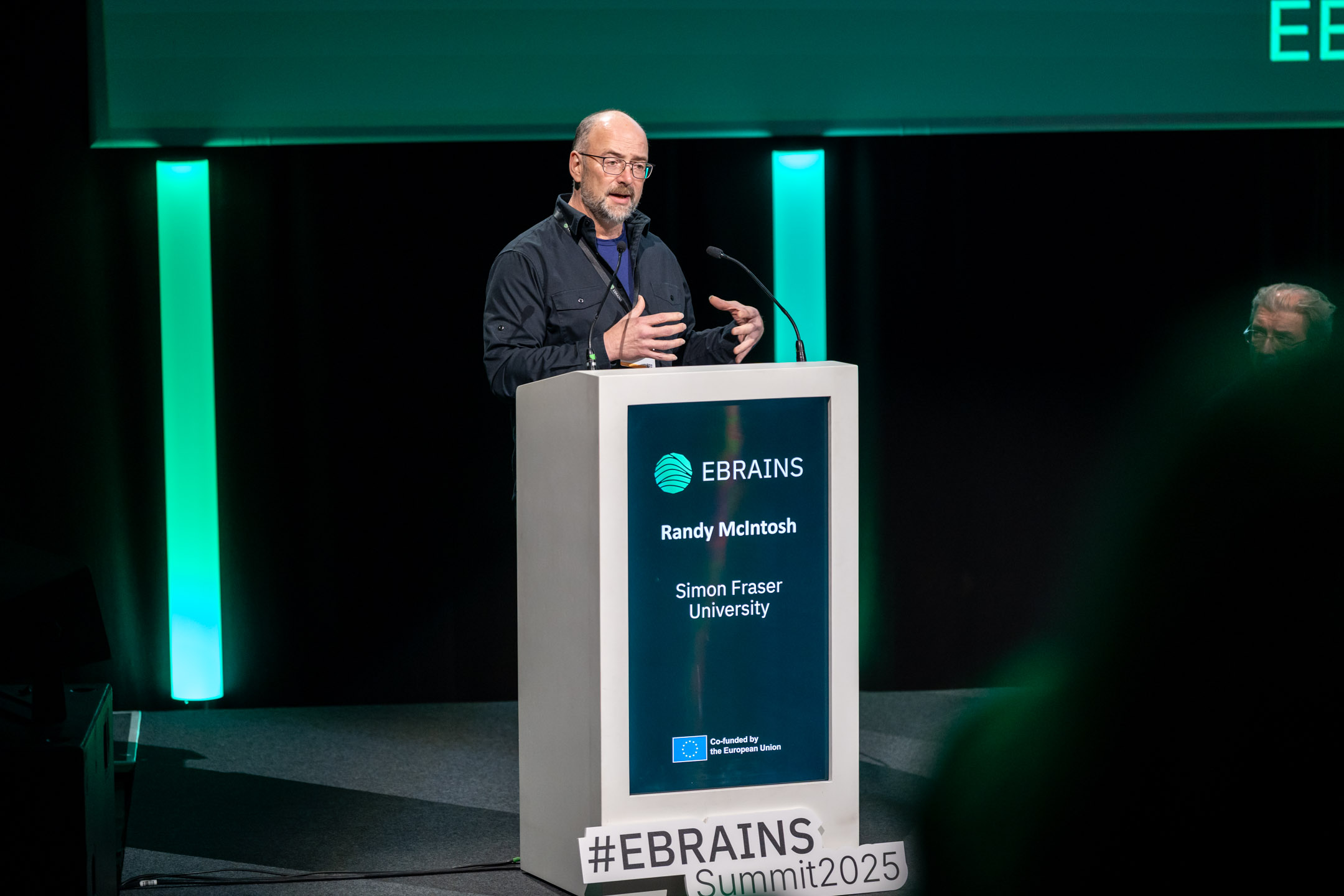
Randy McIntosh presented the concept of the Virtual Brain Lifespan Model, enabling synthetic cohorts and simulations of brain-health trajectories based on biophysical determinants. Such tools could eventually extend computational medicine to disorders beyond epilepsy.
Preliminary clinical results show how neurotechnology is beginning to transform epilepsy care. The evaluation phase of the EPINOV trials is expected to conclude by late2026. Afterwards, data analysis phase will continue in Marseille to determine whether virtual brain twins can become a new standard of care and be scaled up, beyond Europe.