Neuroscience, medicine and society: a recap of the EBRAINS Summit Open Day
The EBRAINS Summit opened in Brussels with a Public Day dedicated to brain research and innovation.

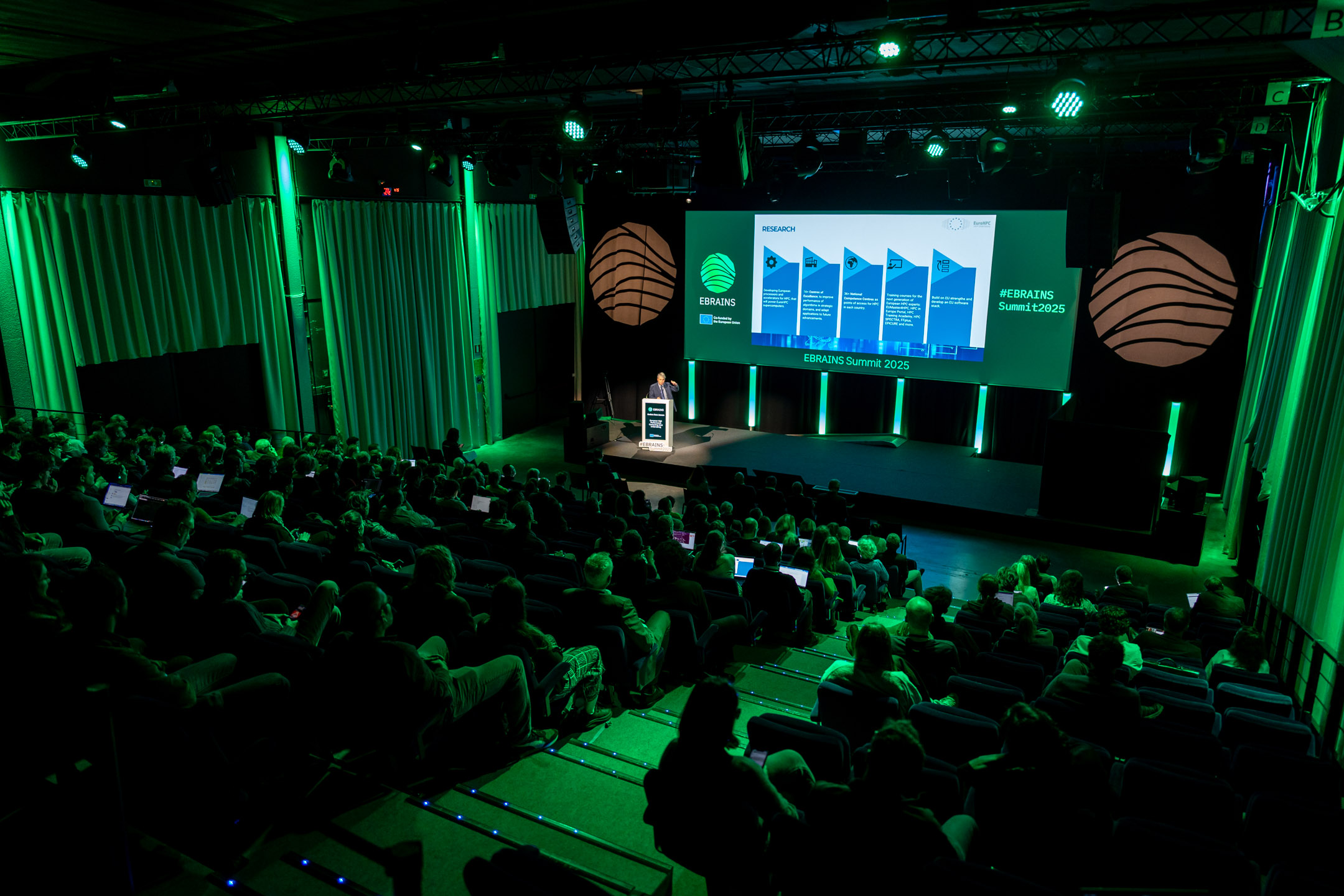
The EBRAINS Summit opened in Brussels with a Public Day dedicated to brain research and innovation, bringing together researchers, policymakers and technologists from around the world. Welcome addresses from the European Commission, the EuroHPC Joint Undertaking and EBRAINS leadership highlighted the evolution of EBRAINS into a reference digital research infrastructure for neuroscience.
A keynote speech by Rafael Yuste (Columbia University) offered a perspective on the trajectory of brain research and the societal impact of emerging neurotechnologies.
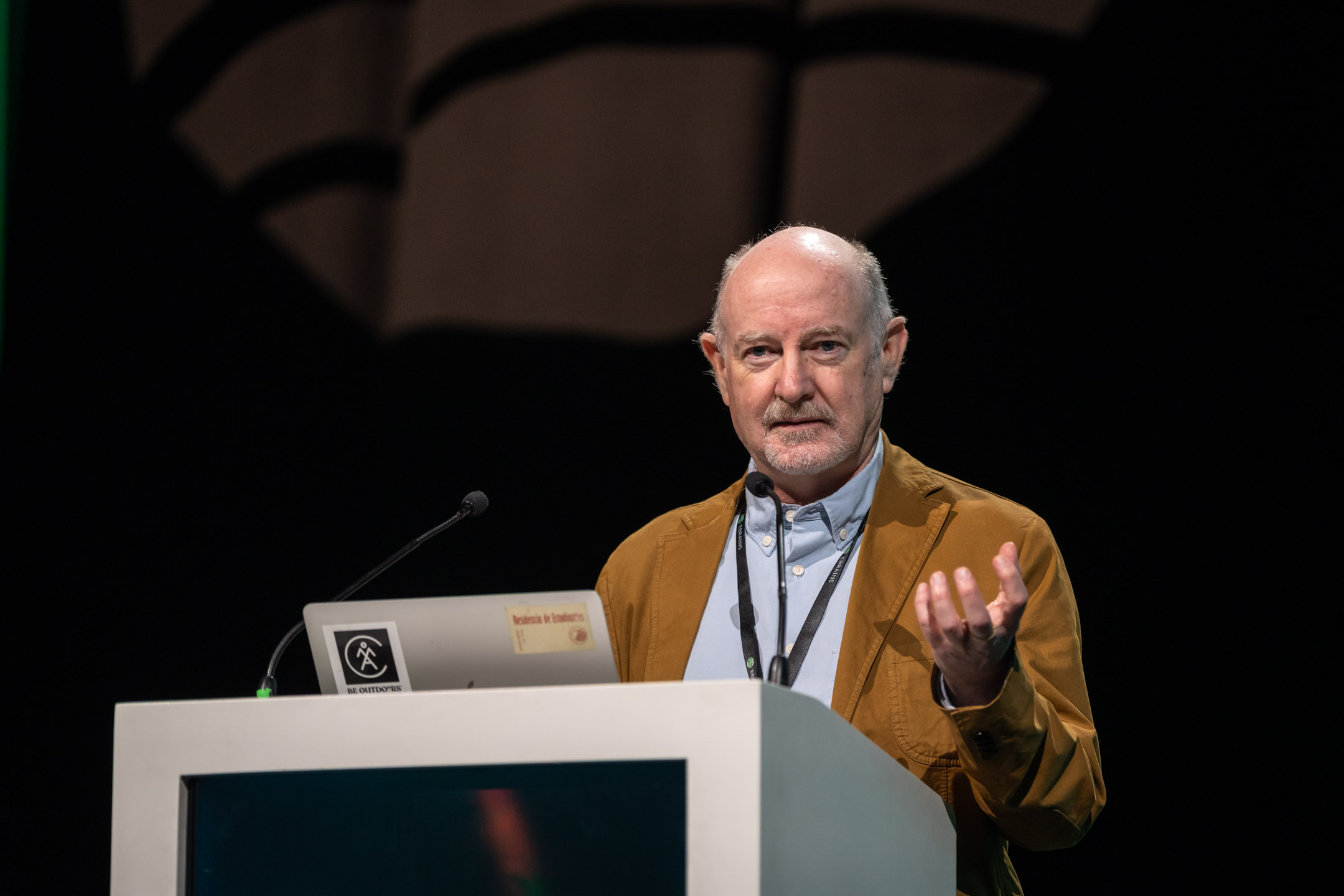
Medical data for enabling progress in healthcare in Europe and beyond
A joint EBRAINS-INCF panel explored how FAIR medical data can accelerate healthcare innovation in Europe and beyond. Speakers emphasized the importance of shared standards, trusted digital platforms and high-quality curated datasets to enable collaboration across borders and disciplines.
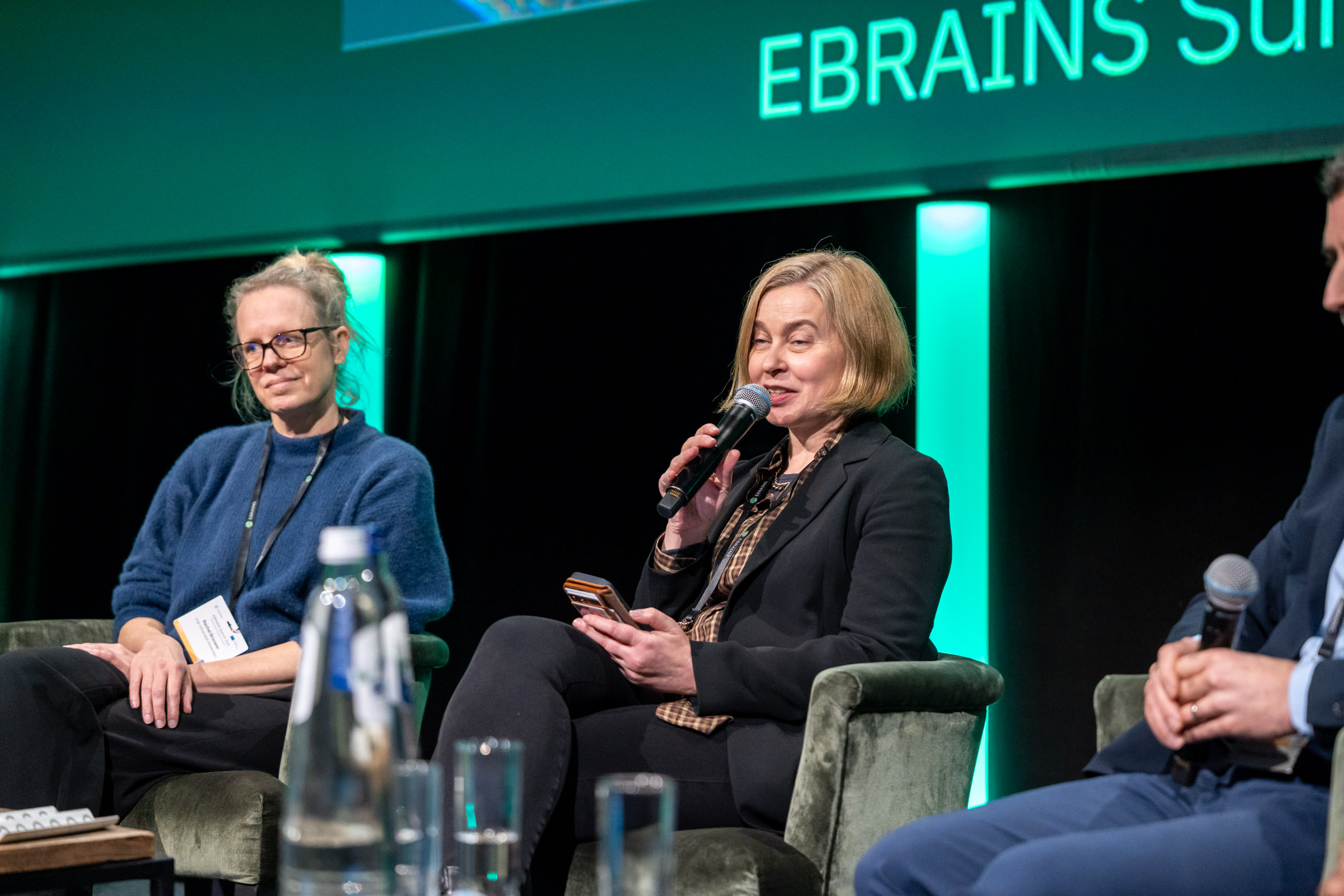
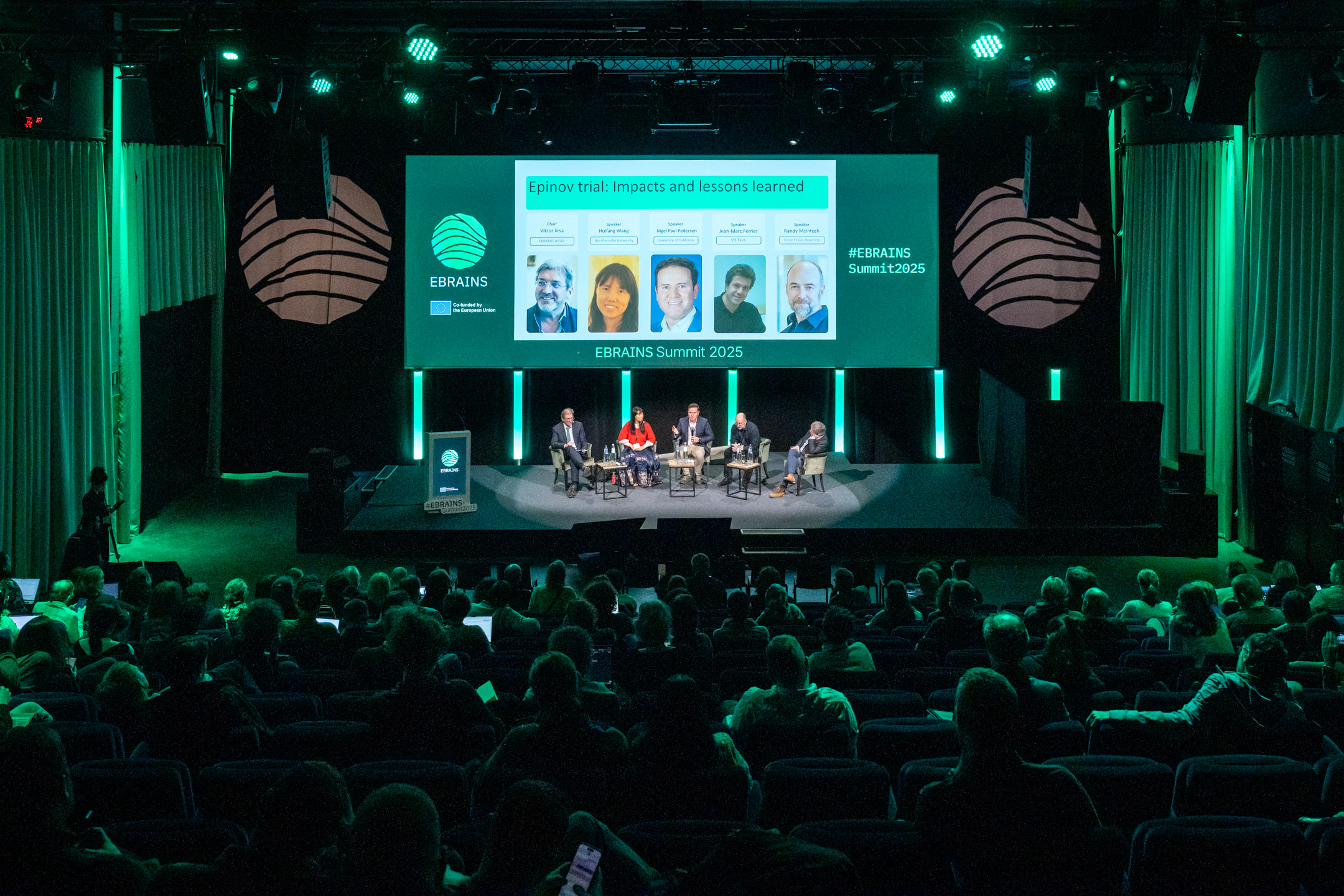
EPINOV: Virtual Brain Twins and epilepsy surgery
The EPINOV clinical trials were the focus of a session on epilepsy research. Researchers demonstrated how virtual brain twins can be used to model surgical strategies, with the aim of improving outcomes for drug-resistant epilepsy patients. With trial results expected in early 2026, the approach could pave the way for more precise and more successful epilepsy surgery – and for applications beyond epilepsy.
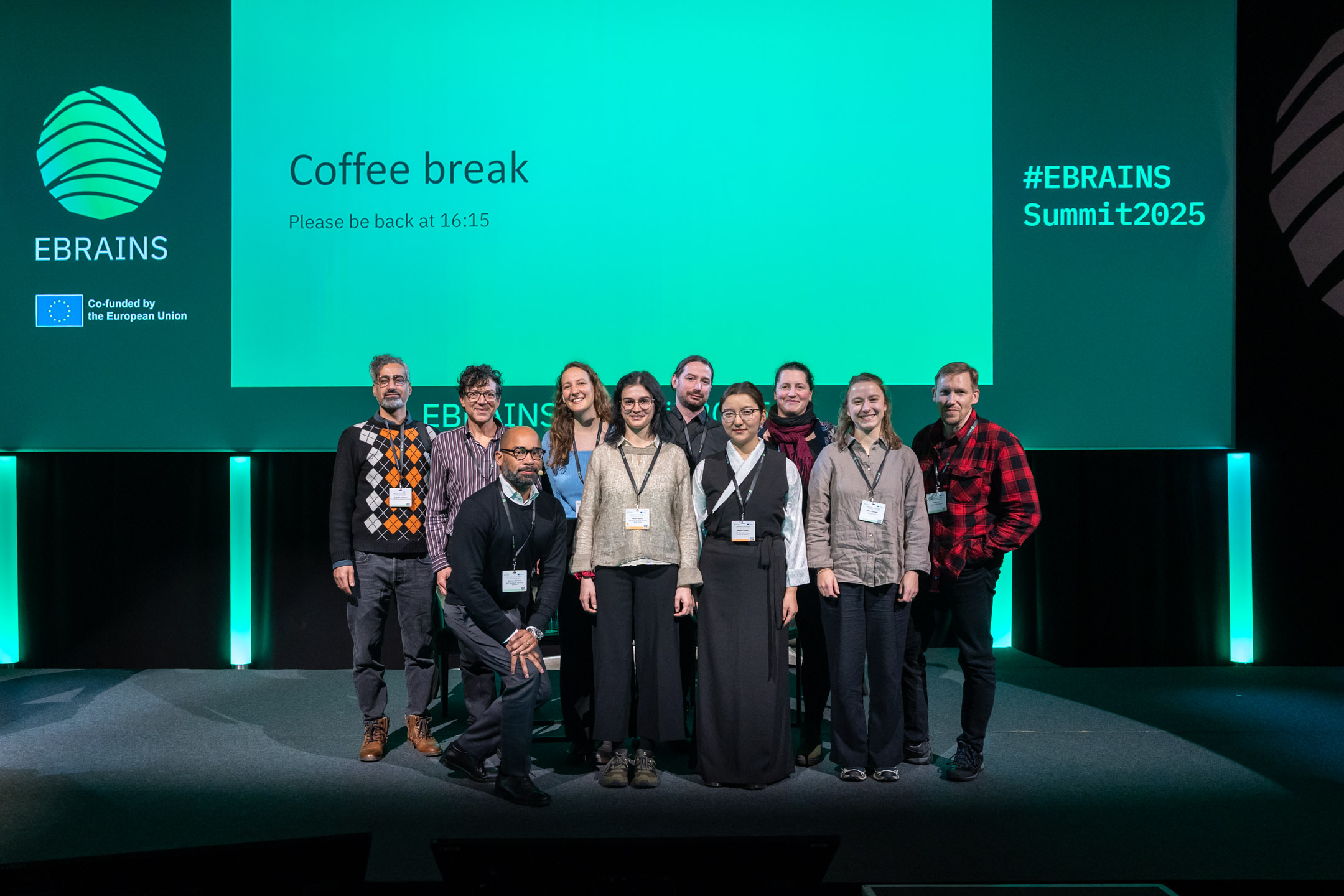
Google Summer of Code
The Google Summer of Code session highlighted EBRAINS’ role in fostering open-source neuroscience software. Projects developed through GSoC showed how early-career developers are contributing tools that improve data registration, metadata handling and interoperability within the EBRAINS ecosystem.
Neurology
The session “Setting new standards in neurology in Europe” featured talks by Frank Winkler, a pioneer in cancer neuroscience – a field that has grown rapidly in recent years – and Masud Husain, who shared his perspectives as professor of Neurology and Cognitive Neuroscience at the University of Oxford and editor-in-chief of Brain. The session concluded with a presentation by Maurizio Corbetta, who showcased the work of the EBRAINS Medical Analytics work package on multimodal data collection aimed at improving the diagnosis and treatment of neurological disorders.
Your Brain on Beethoven: science meets art
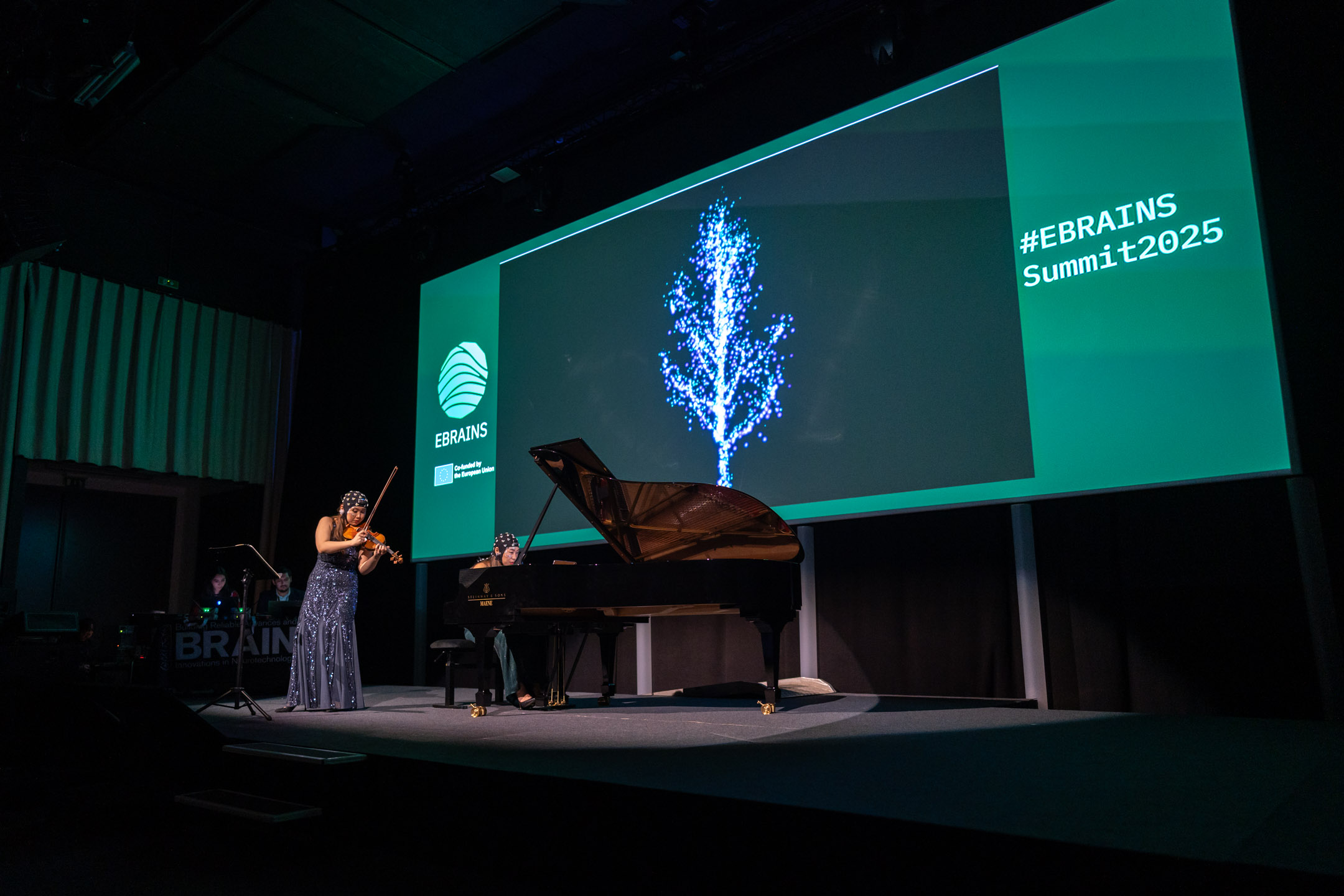
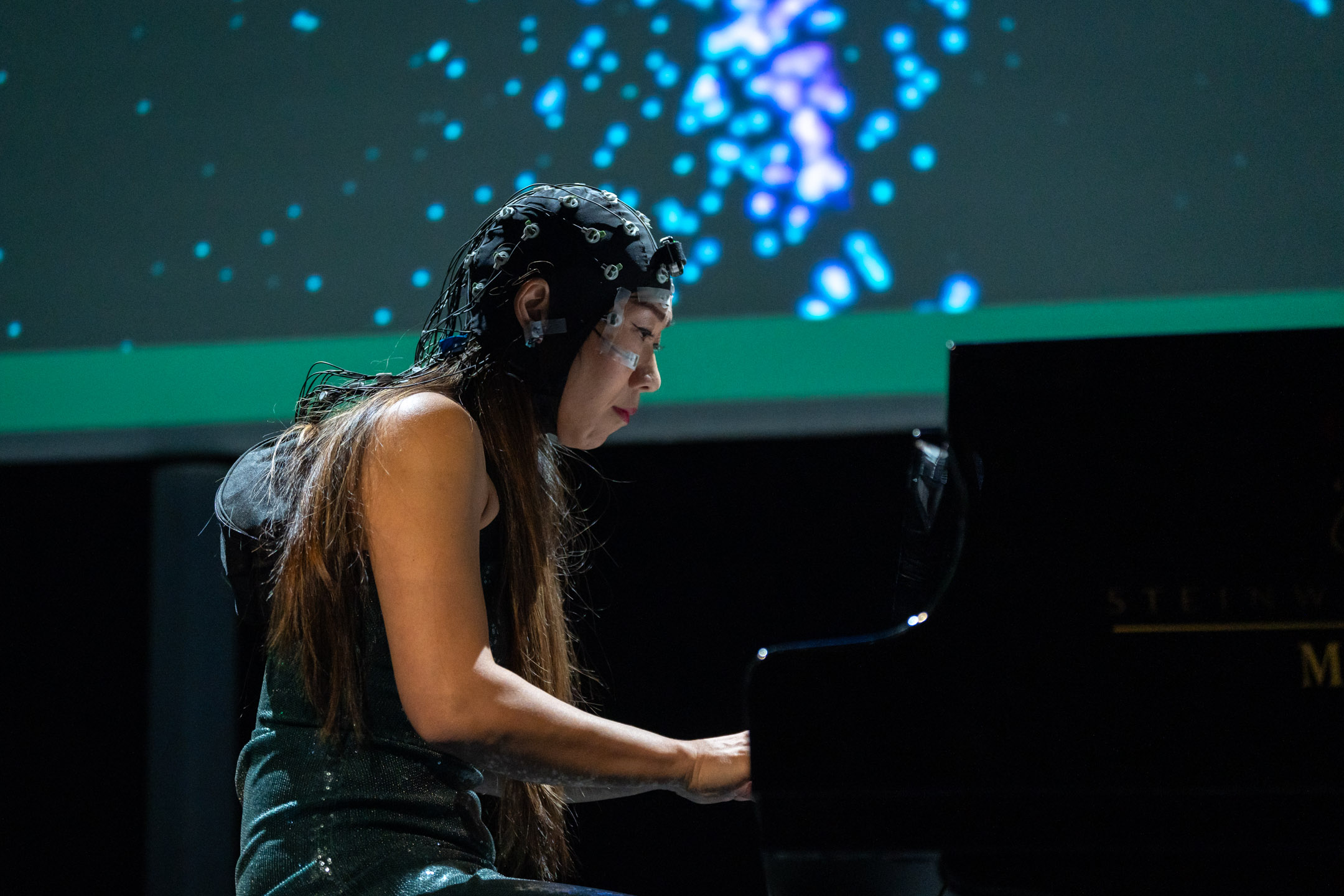
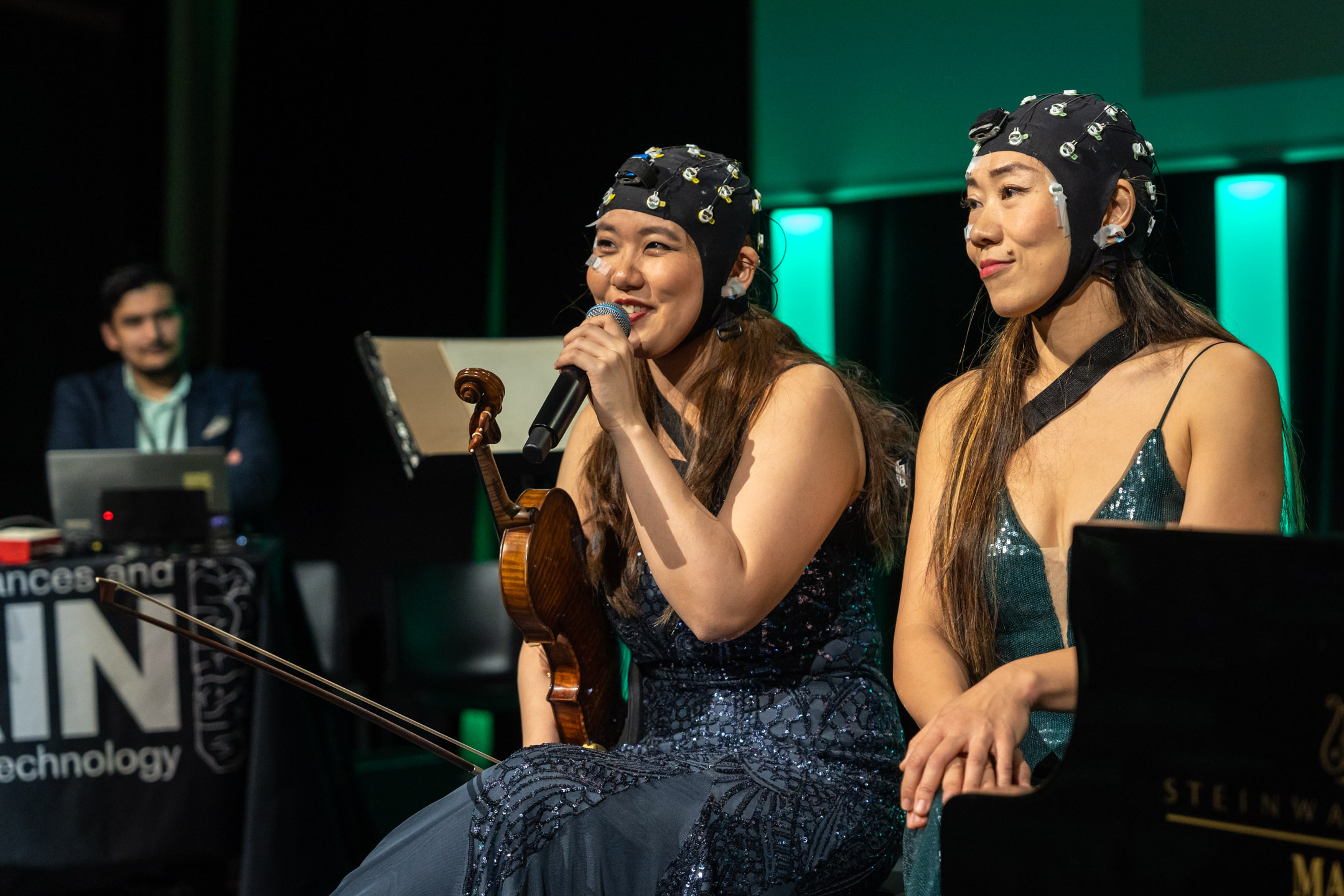
The day closed with a standout artistic performance combining music, neuroscience and visual art. Violinist Stella Chen and pianist Mei Rui performed Beethoven’s “Kreutzer” Sonata while real-time brain-computer interface visualisations revealed neural dynamics during the performance.