Building Bridges between large-scale brain initiatives
The purpose of this session is to bring together the neuroscience research infrastructure providers to discuss the gaps, challenges, and opportunities for pooling resources and tap into each other's user base, thereby expanding the impact within the research community. The session will be divided into 3 discussion sessions. Each discussion session will be introduced by a specific repository who will introduce their service and the topic of the discussion session (i.e. gaps). Following the introduction, a panel of 3 speakers representing other infrastructures present will discuss the topic.
Session 1: Gaps, moderated by JB Poline (NeuroBagel)
Participants: Kenji Doya (Brain/MINDS), Florian Hutzler (Austrian NeuroCloud), Franco Pestilli (BrainLife).
Session 2: Challenges, moderated by Maryann Martone (SPARC)
Participants: Birgit Schaffhauser (MIP, HIP), Yaroslav Halchenko (DANDI Archive), Thomas Wachtler (G-Node).
Session 3: Opportunities, moderated by Jan Bjaalie (EBRAINS)
Participants: Cyril Pernet (Public Neuro), Petra Ritter (Health Data Cloud), Gard Thomassen (Services for Sensitive Data / TSD, University of Oslo)

Who You’ll Be Hearing From
This session brings together expert voices from across the EBRAINS community and beyond. Discover the people sharing their insights, research, and perspectives on the topic.
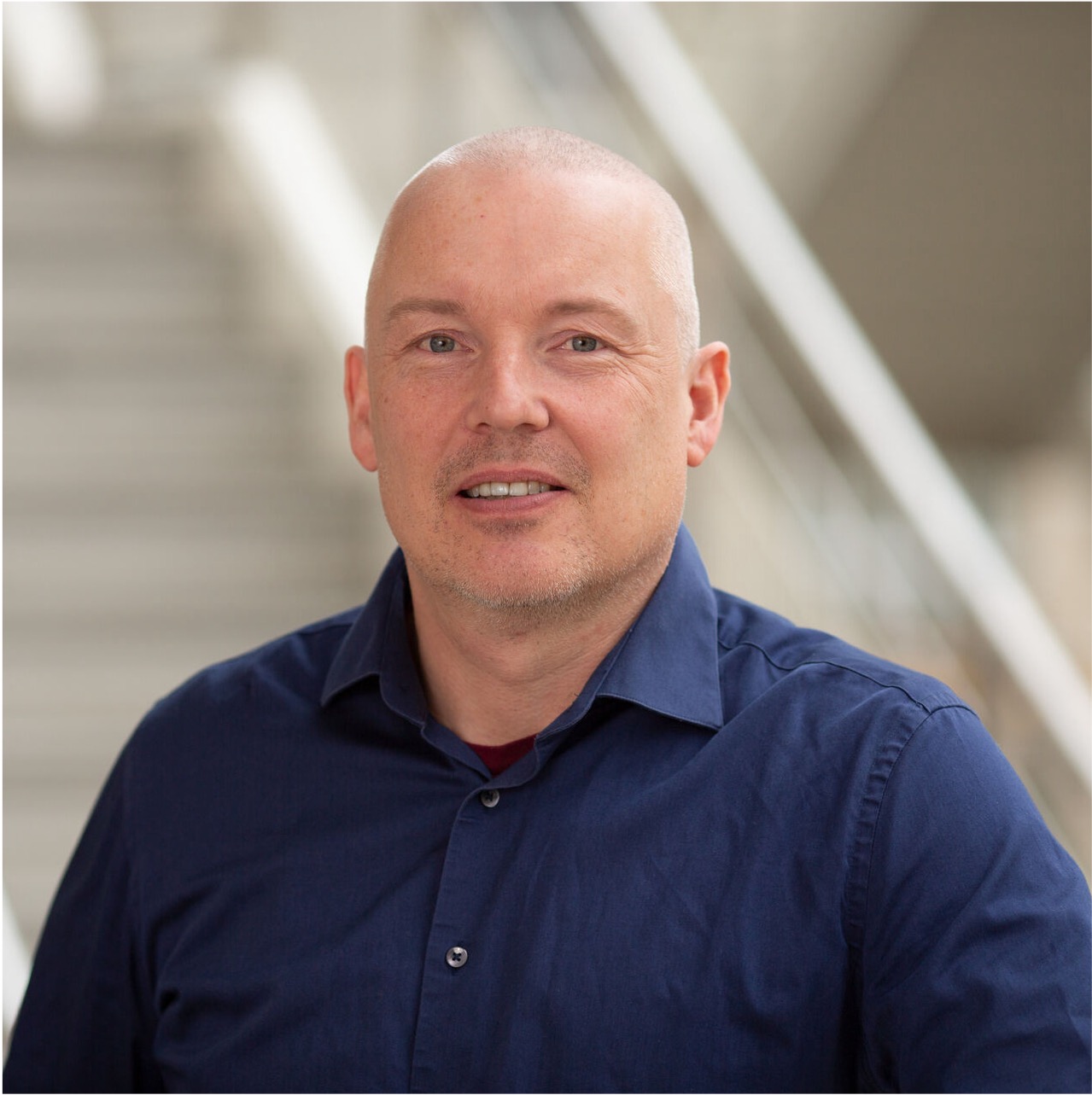
Gard Thomassen holds a PhD in Bioinformatics, and participated in the first exome and transcriptome sequencing of tumor/normal samples in Norway in 2010. In 2012 Thomassen became project leader for building a trusted research environment for storage, analysis and collection of sensitive data (TSD) at the University of Oslo Centre for IT (USIT). TSD is now the lead national eInfrastructure for research on sensitive data in the NORTRE consortium. TSD also delivers IT infrastructure for clinical deep sequencing at the Oslo University Hospital, TSD holds > 2.000 research projects with more than 10.000 active users. In 2022 Thomassen lead a consortium that was awarded a 50MNOK grant from the RCN to build a Norwegian AI Cloud. Since 2023 Thomassen has been the IT-director of UiO, the UiO IT-department has 380 employees and delivers a wide range of services locally, nationally and internationally. Thomassen has been/ is part of / associated with a wide range of large infrastructure collaborations WLCG-Tier1, EUDAT, PRACE, EOSC, Elixir, eBrains, EuroHPC, TEHDAS etc.
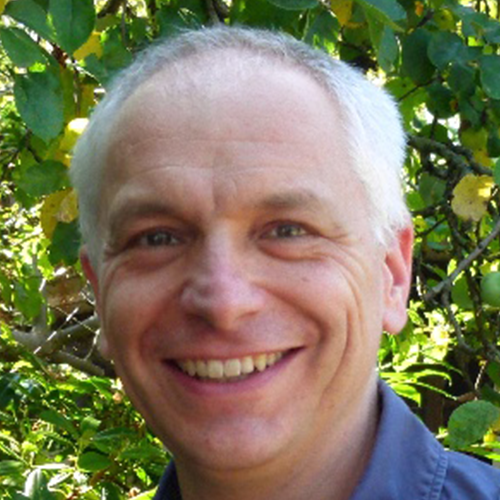
With a background in psychology and cognitive neuroscience, Florian Hutzler is Professor of Developmental Psychology and Neurocognition at the University of Salzburg and head of the Centre for Cognitive Neuroscience. His research focuses on normal and impaired visual word recognition and the neural foundations of reading and writing, combining methods such as fMRI, EEG, eye-tracking, and computational modelling. As head of the Austrian NeuroCloud, a national FAIR-enabling platform for neurocognitive research data, he works on ontology-based knowledge systems and scalable infrastructure for secure, interoperable data sharing. He also leads related initiatives such as the Digital Neuroscience Initiative and Salzburg Collaborative Computing, promoting open science and collaborative workflows.
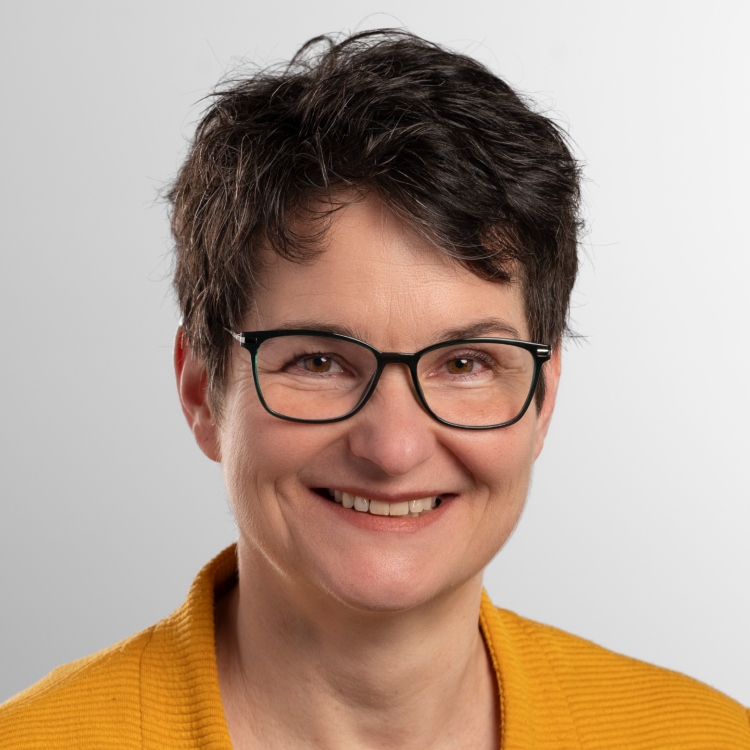
Birgit Schaffhauser received her PhD in Biology from the University of Vienna, Austria, in 2004, conducting her doctoral research between the Institute of Molecular Pathology (IMP) in Vienna and the University of Basel, Switzerland, focusing on molecular biology, angiogenesis inhibition in transgenic mice and cell signalling in tumour progression. She has since built a distinguished career managing large-scale international research collaborations across Europe, including leadership roles at the Technical University of Munich, EPFL, and now Lausanne University Hospital (CHUV). As Senior Programme Manager and Team Coordinator at CHUV’s NeuroDigital unit at the Department of Clinical Neuroscience, her work focuses on advancing the EBRAINS trusted research environments through the Medical Informatics Platform (MIP), the Human Intracerebral EEG Platform (HIP), and CHORUS, platforms enabling secure data sharing and digital neuroscience innovation. She is facilitating the establishment of the EBRAINS Swiss National Node, SENPro – a national project aiming at establishing a pilot EOSC Swiss National Node and contributes to major European projects such as eCREAM and EPND, supporting secure data sharing and digital neuroscience innovation.

Dr. Yaroslav O. Halchenko is a Research Professor in Dartmouth College’s Department of Psychological and Brain Sciences, where he leads the Center for Open Neuroscience. His work focuses on advancing open software, data, and community-driven standards to accelerate efficiency, reproducibility, and data sharing in neuroscience and beyond. Dr. Halchenko has led or co-developed several widely used research infrastructure projects, including PyMVPA, NeuroDebian, DataLad, and HeuDiConv/ReproIn. Together with Satrajit Ghosh (MIT), he co-leads the BRAIN Initiative–funded DANDI Archive, which now provides open access to more than 800 TB of neurophysiology data. He also contributes to the development and interoperability of other large-scale data repositories, including OpenNeuro and EMBER, helping ensure that data and tools flow across initiatives rather than remain siloed. A strong advocate for standards as the “common language” for scientists and computers, Dr. Halchenko plays an active role in the development and governance of major neuroscience standards, including BIDS, NWB, and HED.
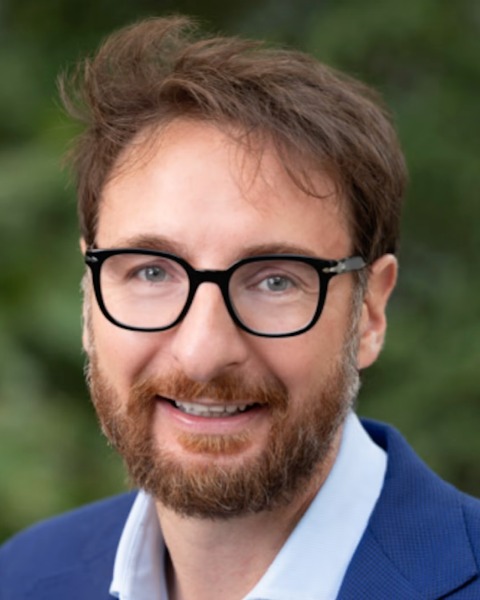
Franco earned his Ph.D. from New York University and completed postdoctoral training at Columbia and Stanford University. He is the Founder and Director of brainlife.io, a public platform for data management and analysis, and the Principal Investigator of the NIH BRAIN CONNECTS Data Coordination Center (brain-connects.org). He also leads the international BRIDGE initiative on data governance and sharing (braindatagovernance.org). His research integrates neuroscience, psychology, computer science, and data science, with expertise in brain connectivity, neuroinformatics, large-scale data integration, and AI-driven research infrastructure.
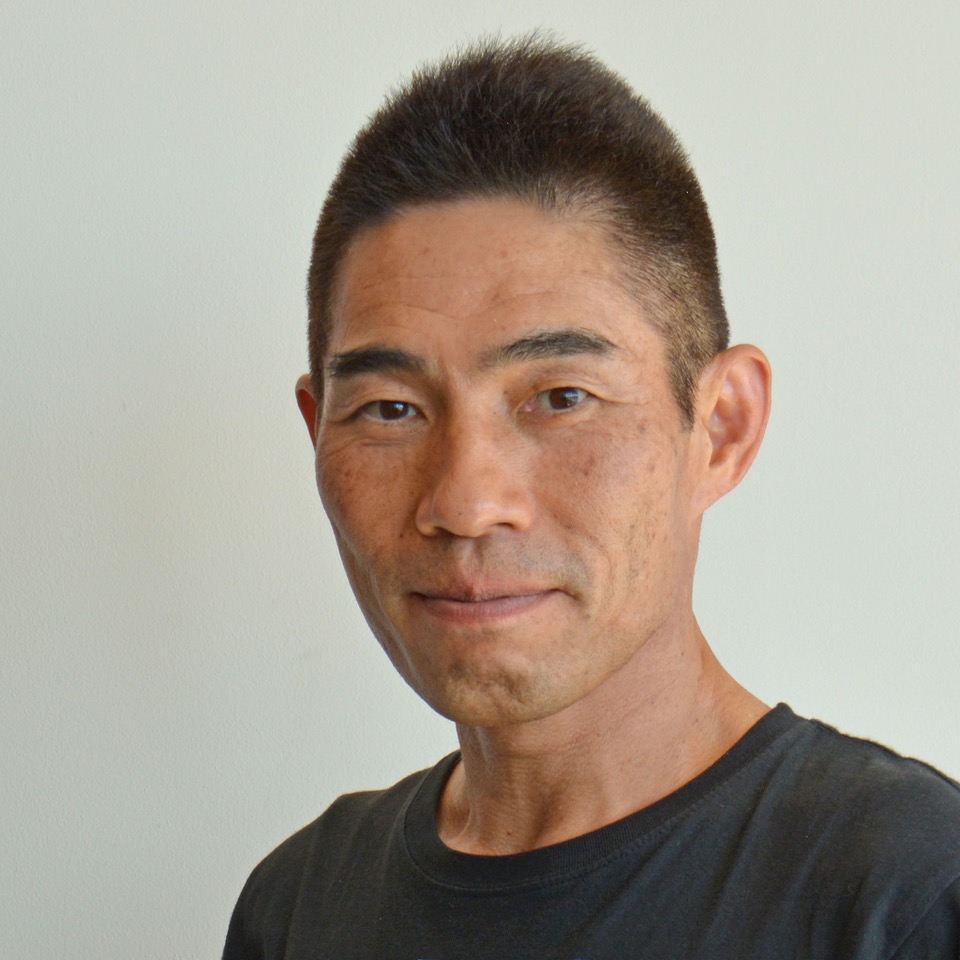
Kenji Doya is a Professor of Neural Computation Unit, Okinawa Institute of Science and Technology Graduate University (OIST). He studies reinforcement learning and probabilistic inference, and how they are realized in the brain. He took his PhD in 1991 at the University of Tokyo, worked as a postdoc at U. C. San Diego and the Salk Institute, and joined Advanced Telecommunications Research International (ATR) in 1994. In 2004, he was appointed as a Principal Investigator of the OIST Initial Research Project and as OIST established itself as a Graduate University in 2011, he became a Professor and served as the Vice Provost for Research till 2014. He served as Co-Editor in Chief of Neural Networks from 2008 to 2021, President of Japanese Neural Network Society (JNNS) from 2023 to 2024, and General Chair of Neuro2022 and ICONIP2025 in Okinawa. He received INNS Donald O. Hebb Award in 2018, JNNS Academic Award and APNNS Outstanding Achievement Award in 2019, and finished Ironman World Championship 2024 in Kona, Hawaii.
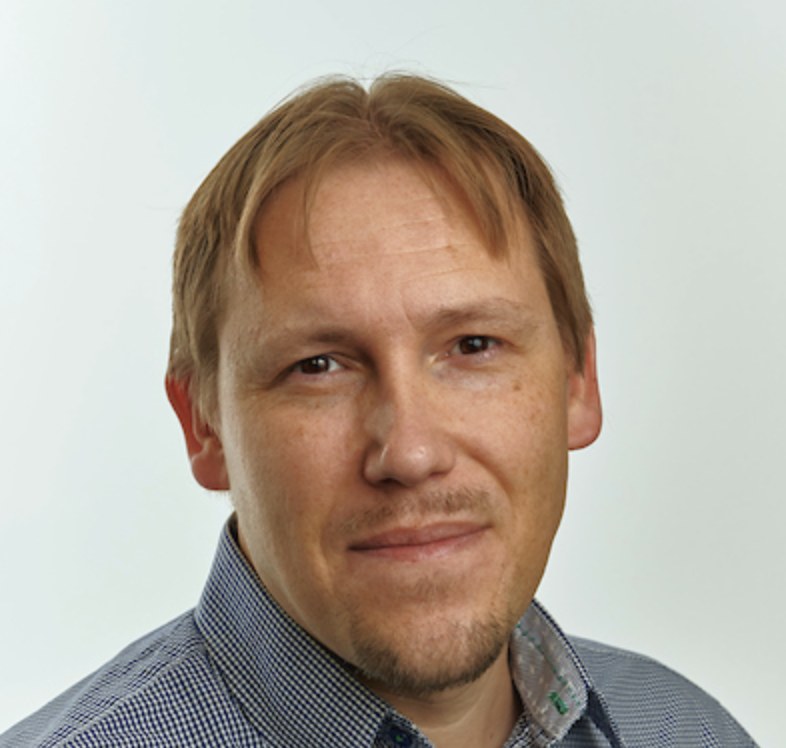
Dr. Pernet is a senior scientist with interested in open science (data sharing with OpenNeuroPET; data standards with BIDS; best practices with the OHBM COBIDAS; practical ethics with the Open Brain Consent), and neuroimaging methods (preprocessing pipelines, QC, statistics) for clinical applications (brain tumours, dementia). Dr Pernet obtained a PhD in Cognitive Neuropsychology from the University of Toulouse III in France in 2004. He was then working with Prof. JF Demonet and Dr P Celsis on neurodevelopmental disorders using MRI, functional MRI and EEG. He next obtained a post-doc fellowship from the Fyssen Foundation to work in Finland with Prof. R. Salmelin on reading using MEG. He moved to the UK in 2006, working in Glasgow with Prof. B. Belin as post-doc research assistant, working on auditory (voice) processing using fMRI and EEG. He joined the Brain Research Imaging Center, Edinburgh in 2007, as fMRI lead for SINAPSE (Scottish Imaging Network A Platform for Scientific Excellence) and became Senior Research Fellow & functional imaging scientific leader for Edinburgh Imaging in 2015. In 2021, he joined the Neurobiology Research Unit in Copenhagen, coordinating the development of OpenNeuroPET.

Jean-Baptiste (JB) Poline, PhD, is a tenured Professor in the Department of Neurology and Neurosurgery, and at the School of Computer Science at McGill; the director of the ORIGAMI (https://neurodatascience.github.io/) neuro-data-science laboratory where the Neurobagel (https://neurobagel.org) and Nipoppy (https://nipoppy.readthedocs.io/en/latest/) projects are developed. He is a strong proponent of open and reproducible science, founded or co-founded two scientific journals, works with several groups on training (ReproNim, Neurohackademy, etc) or standardization (GA4GH, INCF) initiatives, chaired the International Neuroinformatics Coordinating Facility scientific council, Chaired the NeuroHub and Technical Steering Committee for the Canadian Open Neuroscience Platform at the Neuro. Among the early pioneers of functional magnetic resonance imaging (fMRI), today, Prof. Jean-Baptiste Poline is a leading researcher in the fields of neuroimaging, imaging genetics, data science and neuroinformatics technologies and works with several initiative worldwide to develop open, reproducible, and efficient neuroimaging research.

Maryann Martone is professor emerita at the University of California, San Diego and maintains an active laboratory, the FAIR Data Informatics Lab. She started her career as a neuroanatomist, specializing in light and electron microscopy, but her main research for the past 20 years focused on informatics for neuroscience, i.e., neuroinformatics. She led the Neuroscience Information Framework, a national project to establish a uniform resource description framework for neuroscience, and the NIDDK Information Network (dkNET), a portal for connecting researchers in digestive, kidney and metabolic disease to data, tools and materials.
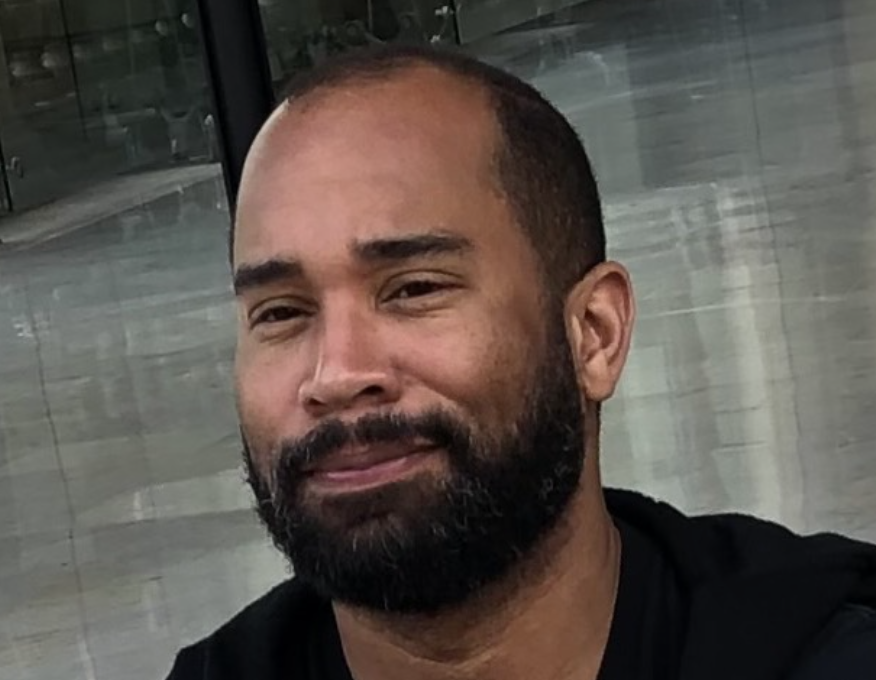
Mathew Birdsall Abrams, PhD, MPH is Director of Science and Training at the International Neuroinformatics Coordinating Facility (INCF), a global organization dedicated to open, FAIR, and citable neuroscience. Mathew is a neuroscientist with over 25 years of experience in both experimental neuroscience and clinical psychiatry, as well as 12 years of experience in community coordination, community building, and product development in neuroinformatics. Mathew has worked with the infrastructure developers of the world’s large scale brain initiatives (BRAIN Initiative in US, Human Brain Project in Europe, Canadian Open Neuroscience Platform, and Brain/MINDS in Japan). He also holds Positions of Trust in many neuroscience societies (e.g. SfN, FUN, FENS, and IBRO). Mathew conducted his doctoral thesis research at Tulane University and Karolinska Institutet, obtained his MPH in Health Systems Management at Tulane University School of Public Health and Tropical Medicine, and completed his undergraduate education at the University of Richmond.

Ritter heads the Brain Simulation Section at the Charité University Medicine Berlin and Berlin Institute of Health (BIH). She serves as the Director for International Affairs at the Charité. Prof. Ritter leads / has led large EU infrastructure projects such as the Testing and Experimentation Facility Health AI and Robotics (TEF-Health, tefhealth.eu), European Open Science Cloud’s Virtual Brain Cloud (project ended) and eBRAIN-Health where she directs the development of compliant health data processing environments supporting the European Health Data Space. Prof. Petra Ritter is leading the Health Data Cloud of EBRAINS. She has been awarded an ERC Consolidator Grant acknowledging the scientific and technological excellence of her work.
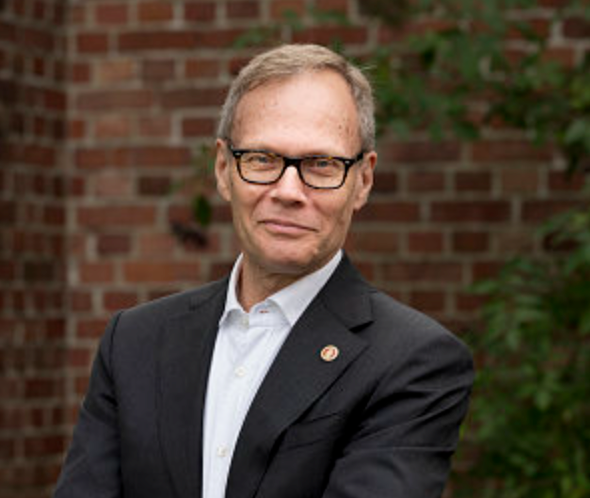
Prof. Jan Bjaalie is Chief Data and Knowledge Officer at the EBRAINS AISBL and leader of the Data Services of the EBRAINS Research Infrastructure. Since 2023, he is Dean of Research and Innovation at the Faculty of Medicine, University of Oslo. He is a professor of anatomy and neuroscience at the Institute of Basic Medical Science and Head of the Norwegian Neuroinformatics Node. His previous roles include Head of the Institute of Basic Medical Sciences at the University of Oslo (2009-2016), founding Executive Director of the International Neuroinformatics Coordinating Facility (INCF) at Karolinska Institute (2006-2008), Chair of the INCF Governing Board (2013-2016), and Co-Chair of the International Brain Initiative (2019-2020). Within the EU flagship Human Brain Project, he was the Neuroinformatics Platform Leader (2017–2020) and Infrastructure Director (2018–2022). His research group has focused on sensory map transformations, wiring patterns in the brain, and developing data systems for organising and managing neuroscience research data using next-generation digital brain atlases. Jan Bjaalie is the Chief Editor of Frontiers in Neuroinformatics and former Section Editor for Brain Structure and Function.
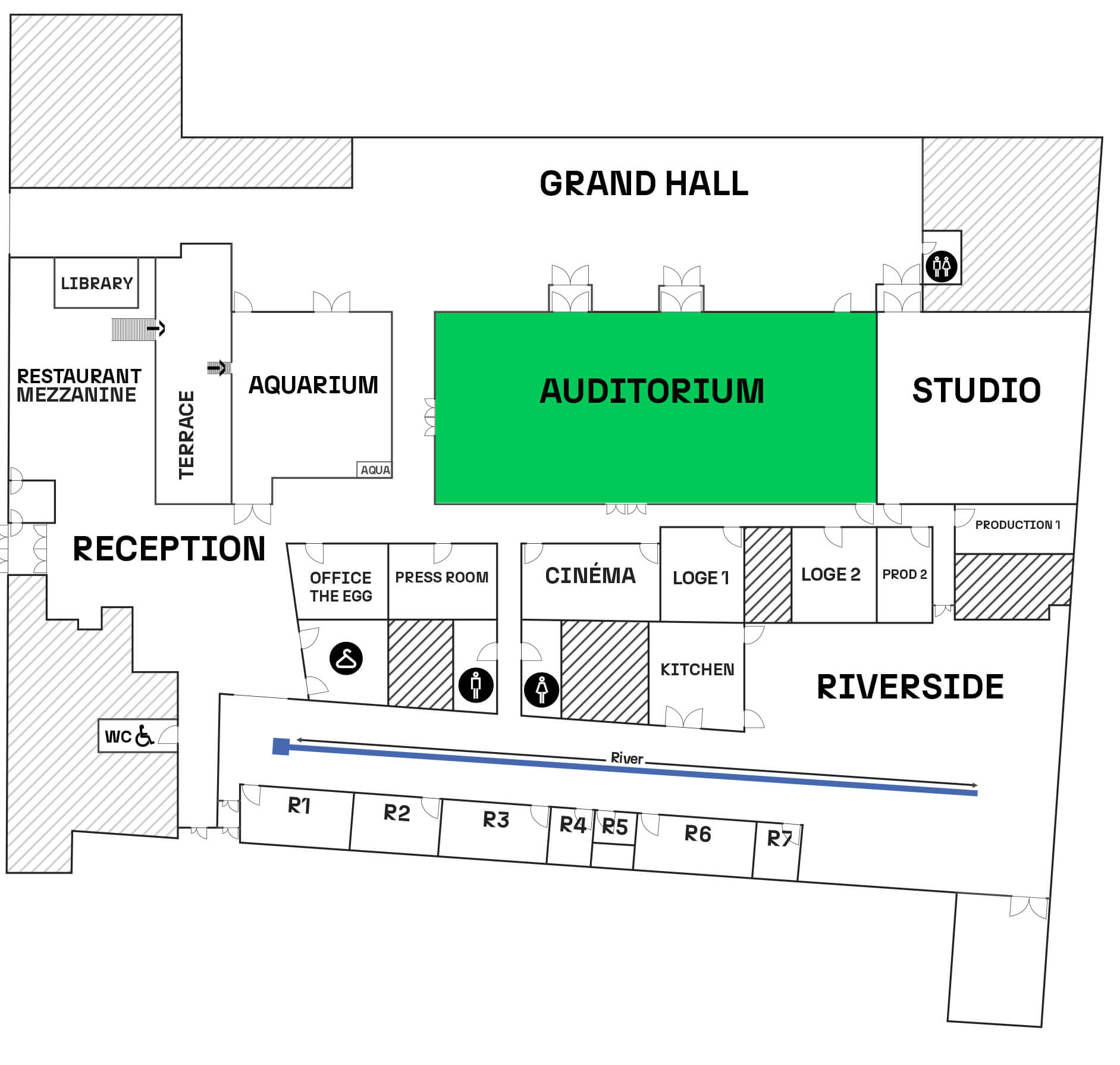
Find your way on the map