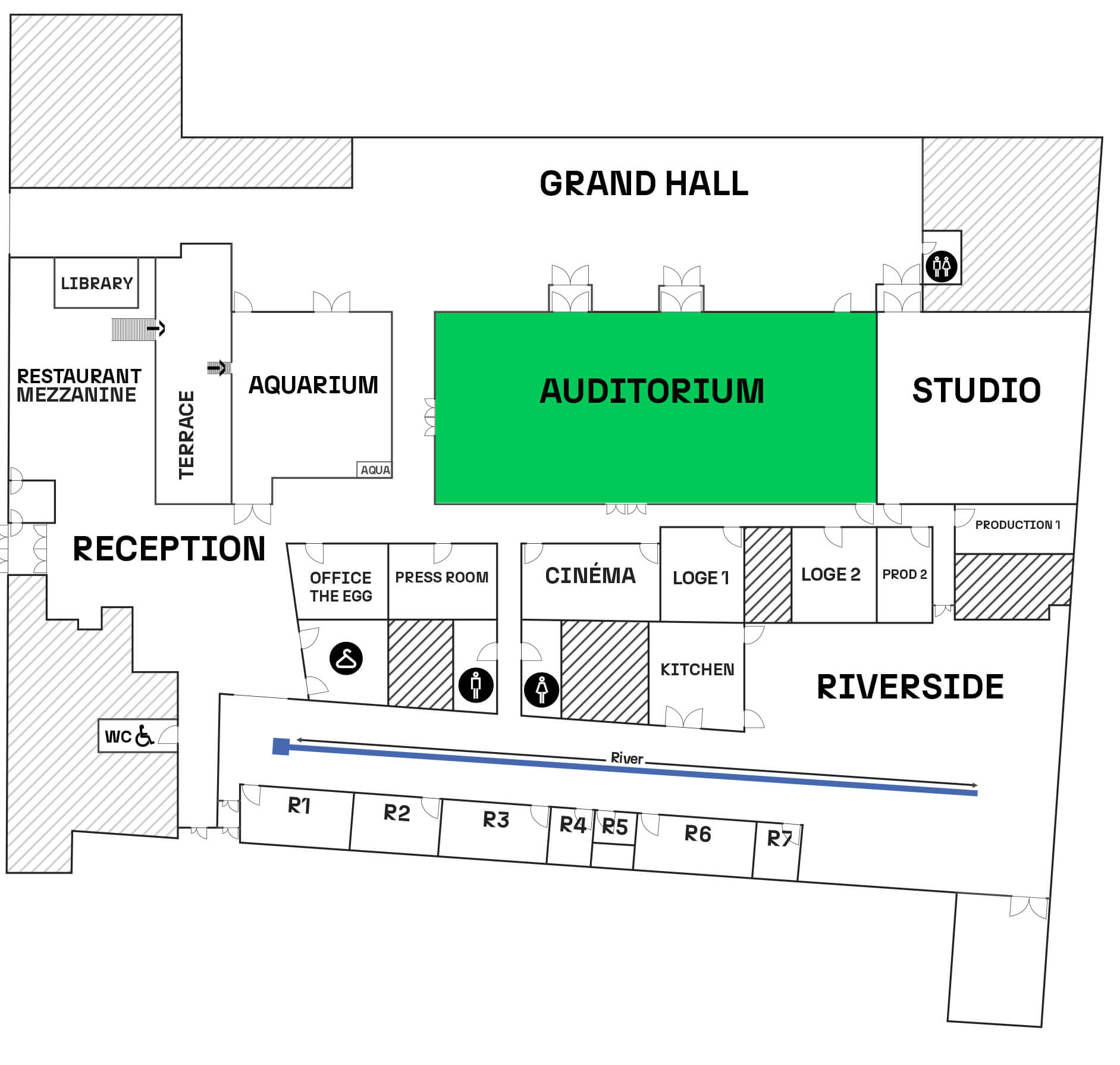
User talk: A Platform for Human Imaging for Translational Research in Neurological Disorders
This talk presents the Platform for Human Imaging (PHI), a new EBRAINS-integrated infrastructure designed to support translational research in neurological disorders. Built upon the Human Intracerebral EEG Platform developed at CHUV, PHI extends its capabilities to multimodal neuroimaging (structural, diffusion, and functional MRI; PET) as well as clinical and cognitive data. The platform provides secure, GDPR-compliant data management, automated ingestion, and standardized feature extraction through an ad-hoc app called “Multimodal Analytical Tool for Neuroimaging” (MATI v1.0). With over 1,700 patients’ datasets collected across European centers, PHI represents one of the largest harmonized neuroimaging repositories in Europe, enabling reproducible, AI-ready analyses and multi-center collaboration to accelerate the translation of connectome-based biomarkers into clinical practice.
Moderator: Marja-Leena Linne

Who You’ll Be Hearing From
This session brings together expert voices from across the EBRAINS community and beyond. Discover the people sharing their insights, research, and perspectives on the topic.
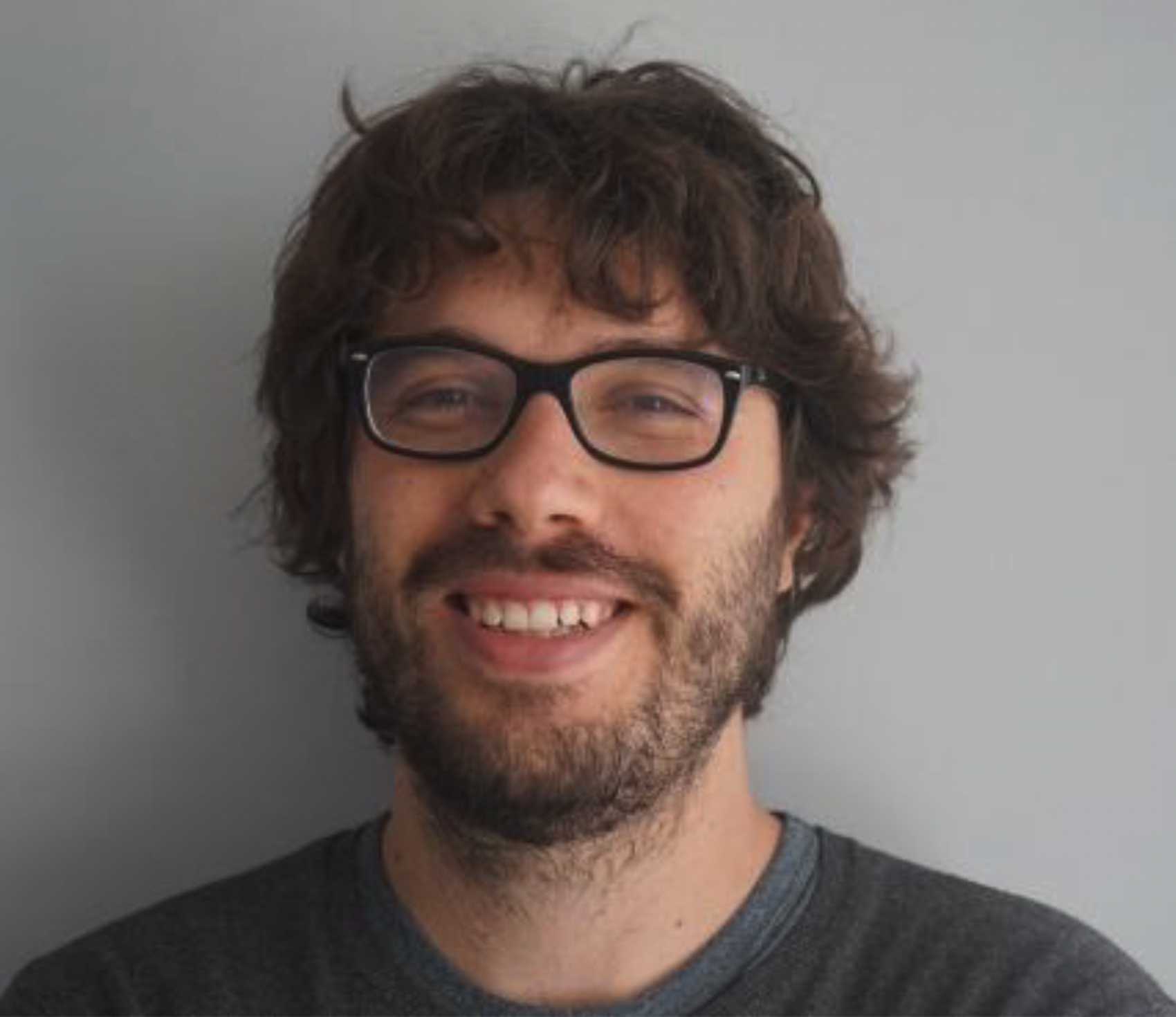
Dr. Lorenzo Pini is a researcher at the Department of Neuroscience, University of Padua (Italy), where he investigates the neural mechanisms underlying brain connectivity in neurodegenerative and focal disorders. His research combines multimodal neuroimaging (fMRI, DWI, PET), machine learning, and non-invasive neuromodulation to identify clinically relevant biomarkers of brain disconnection and recovery. He earned his Ph.D. in Biomedical Sciences and Translational Medicine from the University of Brescia (Italy) and has conducted research in leading European institutions in Switzerland and The Netherlands. Dr. Pini has authored more than 65 peer-reviewed publications and is co-inventor of a patent on a diffusion-based prognostic index for glioblastoma survival. He serves as Associate Editor for BMC Neuroscience and PLOS One. His current work focuses on modeling large-scale brain disconnection, predicting clinical outcomes from neuroimaging data, and integrating connectomic information to study the continuum between brain health and disease.
Find your way on the map