Parallel session: AI for Neuroscience and Neuro AI
This session will explore the dynamic interplay between artificial intelligence and neuroscience, highlighting how AI methods are transforming the analysis of complex brain data and how insights from neuroscience can inspire the development of novel computational models.

Who You’ll Be Hearing From
This session brings together expert voices from across the EBRAINS community and beyond. Discover the people sharing their insights, research, and perspectives on the topic.
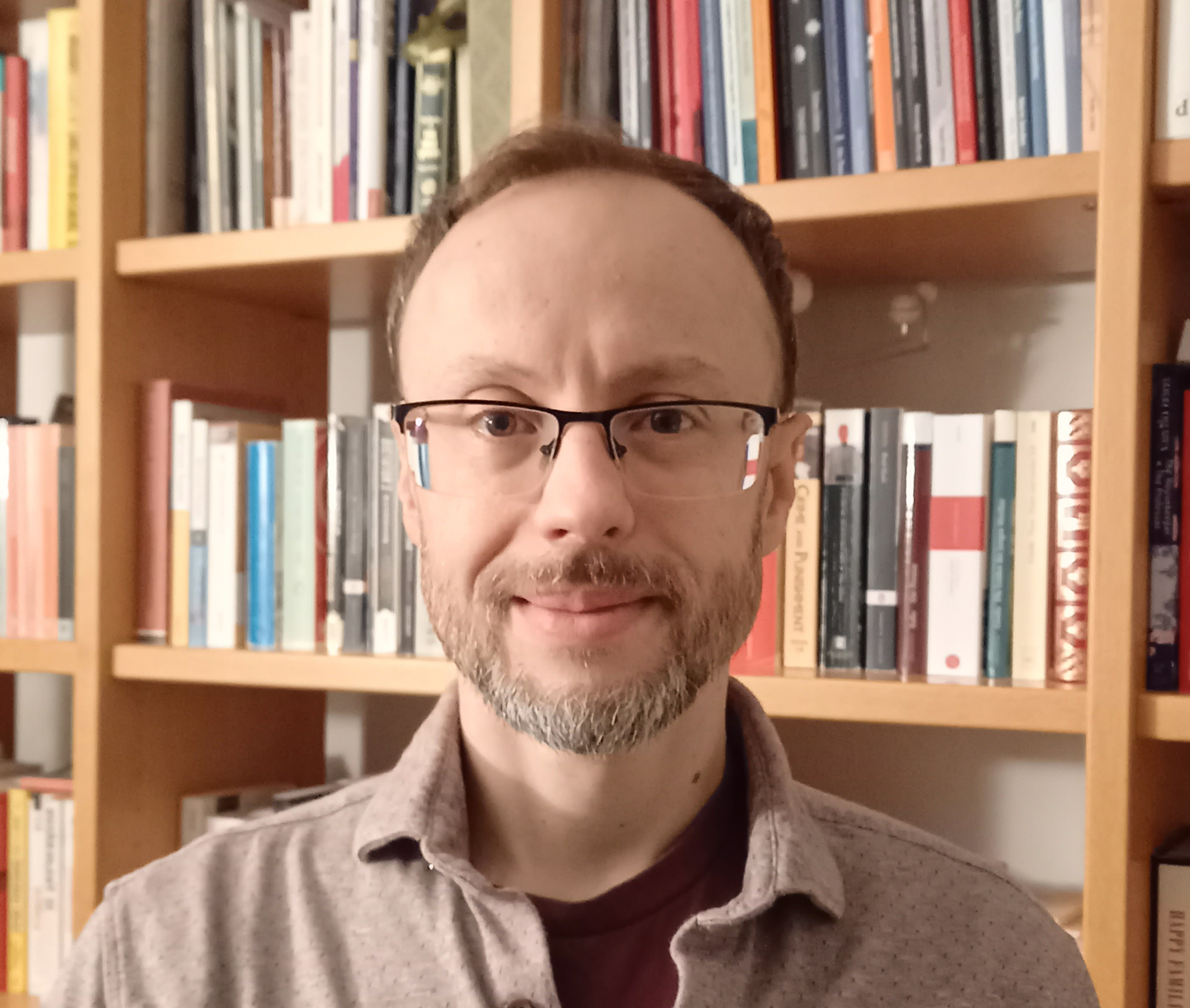
Mario Senden is a computational neuroscientist whose research aims to bridge the gap between biophysically realistic brain simulation and functional, behavior-producing artificial intelligence. He develops next-generation models that incorporate biological constraints, such as connectome architectures and laminar microcircuits, while being trained end-to-end on complex tasks. The goal of this work is to create truly functional whole-brain models to understand how large-scale neural dynamics give rise to intelligent behavior.
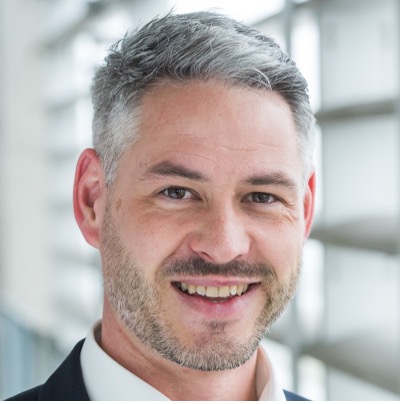
After graduation in Computer Science and receiving a PhD from the University of Tübingen, Germany, Michael Tangermann was a member of the Berlin BCI (BBCI) research lab at the TU Berlin before he became head of the brain state decoding laboratory at the Albert-Ludwigs-University of Freiburg, Germany in 2013 and served as a substitute professor of the Autonomous Intelligent Systems Lab in Freiburg. Since 2021, he is assoc. professor at the Donders Institute in Nijmegen, Netherlands, where he is the head of the Data-Driven Neurotechnology lab and head of the Dept. Machine Learning and Neural Computing at the Radboud University. Michael Tangermann investigates machine learning approaches to tackle neuroscientific and neurotechnological data problems. His research interests comprise adaptive unsupervised and supervised methods for the classification and regression of non-stationary brain signals, regularization techniques, reinforcement learning and deep learning. He translates these methods into clinical brain-computer interface applications (e.g. for rehabilitation of stroke-induced hand motor and language deficits, closed-loop deep brain stimulation in Parkinson's disease).
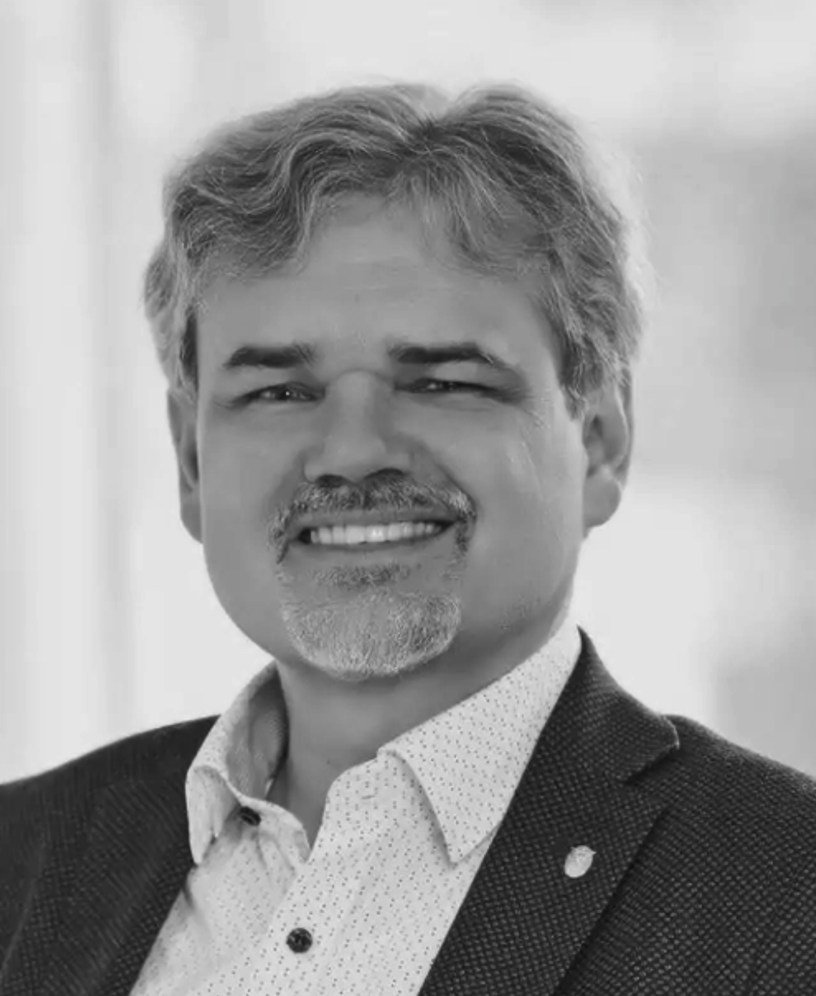
Rainer Goebel is a German psychologist and neuroscientist, whose aim is a deeper understanding of how neuronal activity distributed in the brain leads to unified conscious precepts and mental images in our mind. He also develops innovative fMRI neurofeedback brain-computer interfaces where participants learn to regulate their own brain activity in emotion-specific brain regions with beneficial results for several psychiatric and neurological disorders To identify the basis of mental processes, he primarily uses high‐resolution functional magnetic resonance imaging (fMRI) and brain-inspired neural network modelling.
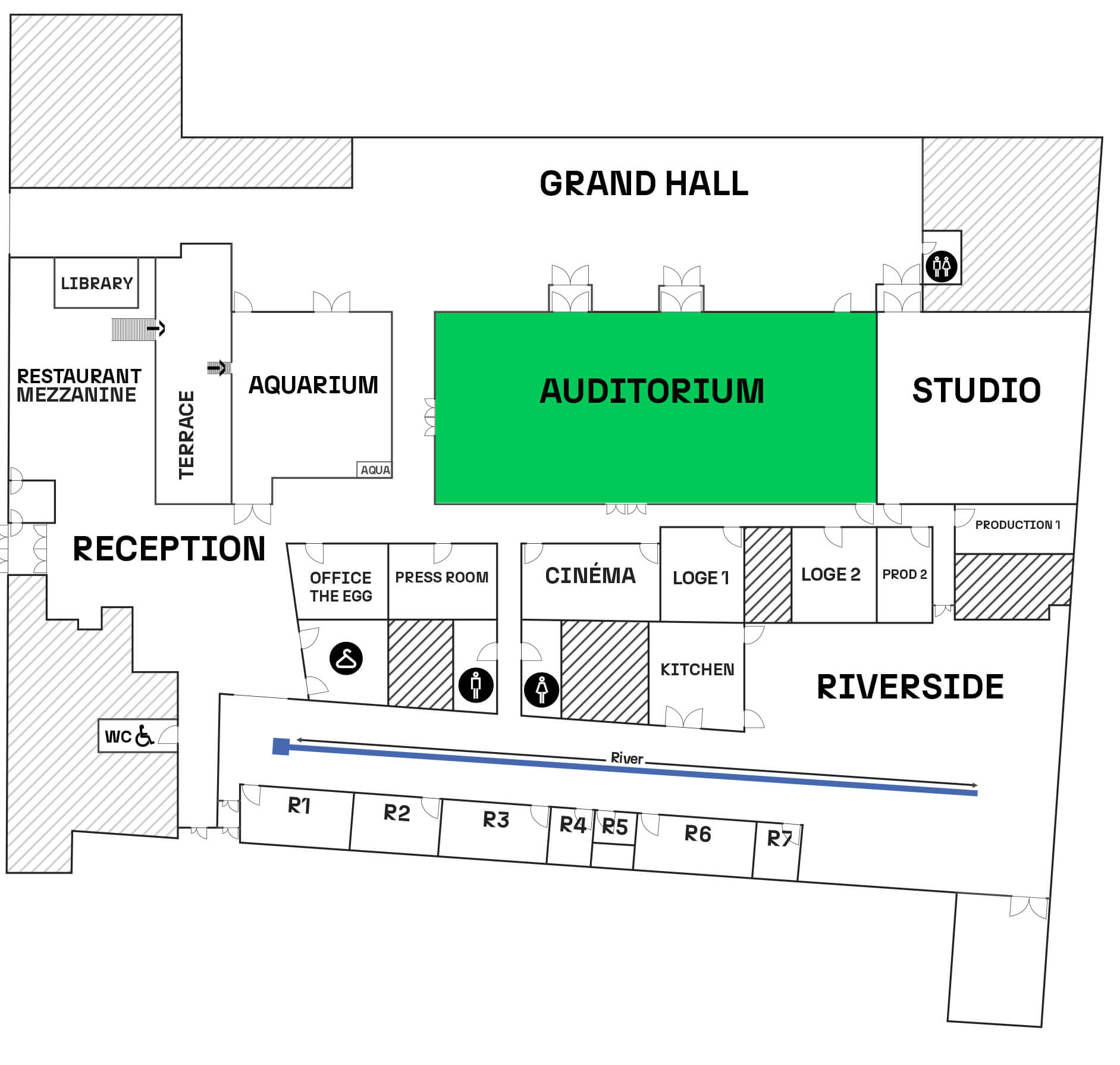
Find your way on the map